
- Your cart is empty
- Continue Shopping

Product

Diclofenac Tablet
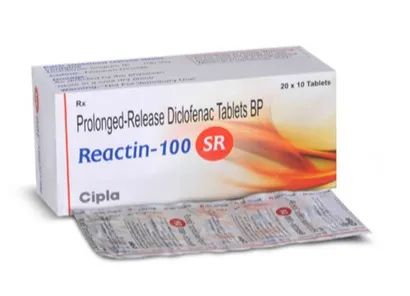
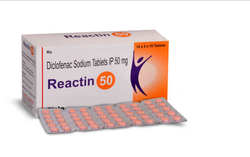
Diclofenac Tablet
Price range: $25.00 through $230.00
Diclofenac tablets are NSAIDs used to treat pain and inflammation associated with conditions like osteoarthritis, rheumatoid arthritis, ankylosing spondylitis, and menstrual cramps. They work by inhibiting substances that cause inflammation and pain in the body. Dosages vary based on the condition being treated, and it’s essential to follow your healthcare provider’s instructions. While effective, diclofenac may cause side effects such as gastrointestinal issues and cardiovascular risks. Always use under medical supervision to ensure safety and efficacy.
Strength, Size
Choose an option / Choose an option
Add to cart
Buy Now
Diclofenac is a nonsteroidal anti-inflammatory drug (NSAID) that actively alleviates pain and inflammation in conditions such as osteoarthritis, rheumatoid arthritis, ankylosing spondylitis, and primary dysmenorrhea (menstrual cramps). Moreover, it supports overall joint mobility and comfort (mayoclinic.org).
Key Benefits & Uses:
-
Osteoarthritis & Rheumatoid Arthritis: Diclofenac reduces joint pain and swelling effectively.
-
Ankylosing Spondylitis: It relieves spinal stiffness and inflammation.
-
Primary Dysmenorrhea: It eases menstrual cramps, helping you maintain daily activities.
-
Migraine Headaches: Diclofenac provides acute pain relief.
-
Postoperative Pain: It alleviates discomfort after surgery (drugs.com).
How to Use:
Take diclofenac tablets orally with water as instructed by your healthcare provider. For example:
-
Osteoarthritis: Take 50 mg 2–3 times daily or 75 mg twice daily.
-
Rheumatoid Arthritis: Take 50 mg 3–4 times daily or 75 mg twice daily.
-
Ankylosing Spondylitis: Take 25 mg 4 times daily; you may add 25 mg at bedtime if needed (mayoclinic.org).
Important Safety Information:
Use diclofenac cautiously because it may increase gastrointestinal, cardiovascular, and kidney risks. Consequently, avoid alcohol to reduce stomach bleeding. Additionally, consult your doctor if you have pre-existing heart or kidney conditions (medlineplus.gov).
Common Side Effects:
-
Gastrointestinal issues: nausea, vomiting, stomach pain, or indigestion.
-
Central nervous system: headache, dizziness, or drowsiness.
-
Skin reactions: rash or itching.
-
Serious reactions: black or bloody stools, or signs of heart attack or stroke (webmd.com).
Why Choose Diclofenac:
Diclofenac provides reliable relief from inflammation and pain. In addition, it allows people to stay active and maintain daily routines. Therefore, it remains a widely prescribed NSAID worldwide (who.int). Always follow medical guidance to maximize benefits and safety.
Additional Information
| Strength | 50 mg, 100 mg |
|---|---|
| Size | 100 Tablets, 200 Tablets, 300 Tablets, 400 Tablets |
Related products
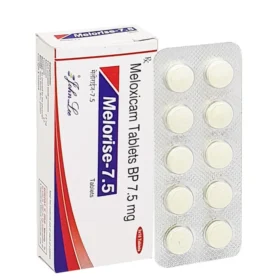
Meloxicam (Meloxicam)
Price range: $70.00 through $178.00
Select options
This product has multiple variants. The options may be chosen on the product page
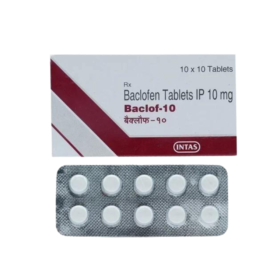
Baclofen Tablets (Backlof)
Price range: $35.00 through $147.00
Select options
This product has multiple variants. The options may be chosen on the product page

Indocap (Indomethacin)
Price range: $75.00 through $175.00
Select options
This product has multiple variants. The options may be chosen on the product page
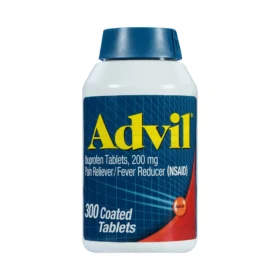
Advil Tablet
Price range: $35.00 through $138.00
Select options
This product has multiple variants. The options may be chosen on the product page

Cipmol (Acetaminophen)
Price range: $99.00 through $290.00
Select options
This product has multiple variants. The options may be chosen on the product page
Hot

Gabapentin Capsules
Price range: $70.00 through $330.00
Select options
This product has multiple variants. The options may be chosen on the product page
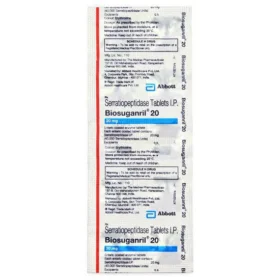
Biosuganril (Serratiopeptidase)
Price range: $84.00 through $228.00
Select options
This product has multiple variants. The options may be chosen on the product page

Buscogast (Hyoscine Butylbromide)
Price range: $98.00 through $204.00
Select options
This product has multiple variants. The options may be chosen on the product page