
- Your cart is empty
- Continue Shopping

Product

Amlodipine Tablet
Hot
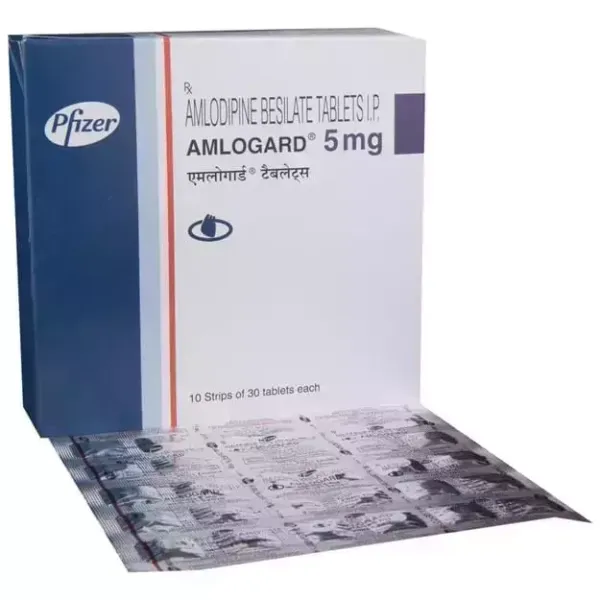
Amlodipine Tablet
Price range: $80.00 through $390.00
Amlodipine Tablet is used to treat high blood pressure and prevent angina by relaxing blood vessels and improving blood flow. It lowers the risk of heart attack, stroke, and kidney issues. Taken once daily as prescribed, it is safe and effective for long-term cardiovascular care. Common side effects include dizziness, fatigue, or swelling, but most are mild. For comprehensive guidance, medical research, and updates, refer to Mayo Clinic, Drugs.com, FDA, WebMD, Healthline, PubMed, and WHO.
Strength, Size
Choose an option / Choose an option
Add to cart
Buy Now
Amlodipine Tablet helps treat high blood pressure (hypertension) and chest pain (angina). It works by relaxing blood vessels, which improves blood flow and reduces the heart’s workload. For detailed medical guidance, you can visit Mayo Clinic or Drugs.com. Regulatory updates and safety information are available on the FDA. Research studies on Amlodipine are accessible via PubMed and WebMD.
Key Benefits & Uses:
-
Lowers high blood pressure and decreases the risk of stroke, heart attack, and kidney problems (Healthline).
-
Prevents chest pain (angina) and helps you exercise comfortably.
-
Supports overall cardiovascular health, as recommended by the World Health Organization.
How to Use:
Take Amlodipine Tablet exactly as your doctor prescribes. Usually, you take it once a day, with or without food. Swallow the tablet whole with water. For more guidance, see Drugs.com.
Important Safety Information:
Before taking Amlodipine, tell your doctor if you have liver disease, heart problems, or are pregnant or breastfeeding. Monitor your blood pressure regularly and contact your doctor if you notice unusual symptoms. Safety updates are available on FDA and Mayo Clinic websites.
Common Side Effects:
-
Swelling in the ankles or feet
-
Dizziness or lightheadedness
-
Fatigue
Most side effects are mild. However, consult your doctor if they continue or worsen. For more information, visit WebMD and Drugs.com.
Why Choose Amlodipine Tablet:
Amlodipine is trusted worldwide for managing blood pressure and chest pain. It is safe, effective, and backed by research. Additionally, you can learn more from PubMed and global health authorities like WHO.
Additional Information
| Strength | 2.5 mg, 5 mg, 10 mg |
|---|---|
| Size | 100 Tablets, 200 Tablets, 300 Tablets, 400 Tablets |
Related products
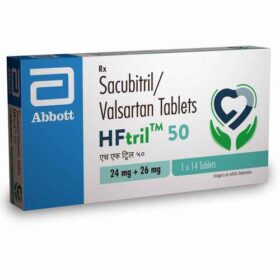
Hftril Tablet (Sacubitril and Valsartan)
Price range: $20.00 through $77.00
Select options
This product has multiple variants. The options may be chosen on the product page

Arkamin Tablet (Clonidine)
Price range: $75.00 through $250.00
Select options
This product has multiple variants. The options may be chosen on the product page

Coversyl Plus Tablet (Perindopril erbumine and Indapamide)
Price range: $32.00 through $169.00
Select options
This product has multiple variants. The options may be chosen on the product page
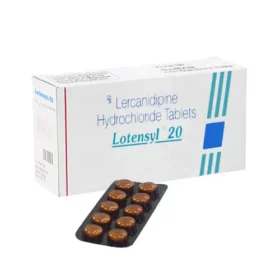
Lotensyl (Lercanidipine)
Price range: $118.00 through $380.00
Select options
This product has multiple variants. The options may be chosen on the product page
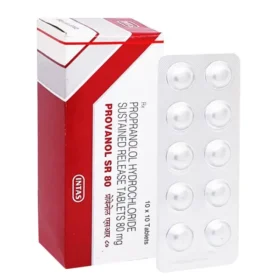
Provanol (Propranolol)
Price range: $180.00 through $355.00
Select options
This product has multiple variants. The options may be chosen on the product page
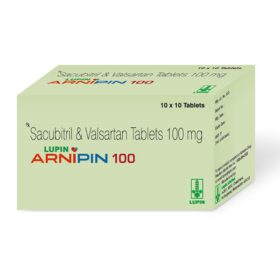
Arnipin Tablet (Sacubitril and Valsartan)
Price range: $41.00 through $152.00
Select options
This product has multiple variants. The options may be chosen on the product page
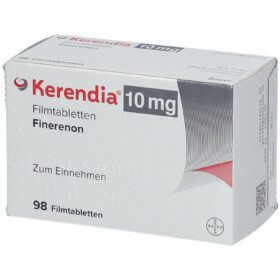
Kerendia (Finerenone)
Price range: $290.00 through $775.00
Select options
This product has multiple variants. The options may be chosen on the product page
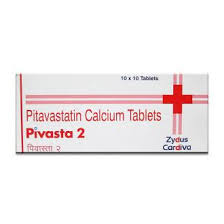
Pivasta (Pitavastatin)
Price range: $180.00 through $380.00
Select options
This product has multiple variants. The options may be chosen on the product page