
- Your cart is empty
- Continue Shopping

Product

Baclofen Tablets (Backlof)
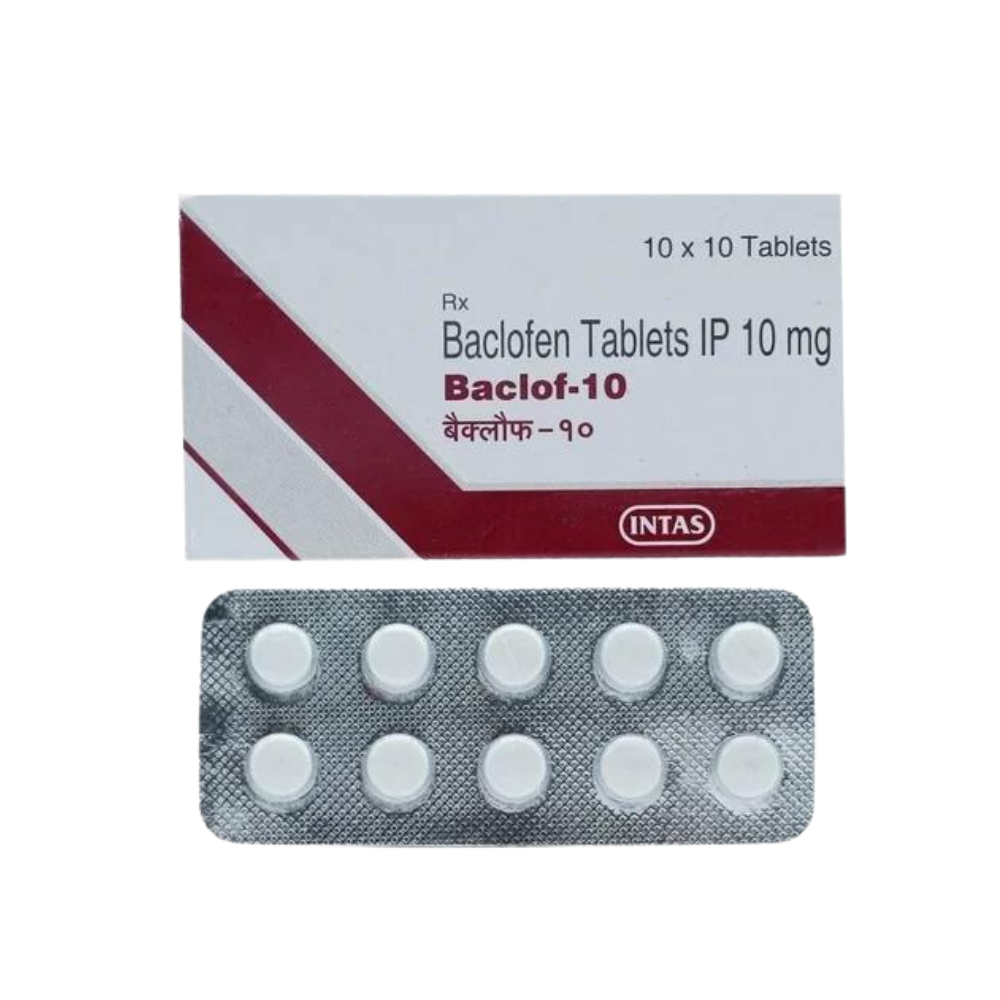
Baclofen Tablets (Backlof)
Price range: $35.00 through $147.00
Baclofen Tablets (Backlof) are prescription muscle relaxants designed to ease muscle spasms and stiffness caused by neurological conditions such as multiple sclerosis or spinal cord injuries. By acting on the central nervous system, they improve mobility and reduce discomfort in daily activities. Always take Baclofen as prescribed, and avoid abrupt discontinuation. Common side effects include dizziness, fatigue, and nausea. Baclofen is widely trusted by healthcare providers for effective spasm relief. Learn more about usage, safety, and benefits through authoritative sources like Mayo Clinic and WebMD.
Strength, Size
Choose an option / Choose an option
Add to cart
Buy Now
Baclofen Tablets (Backlof) are muscle relaxants prescribed to treat muscle spasms caused by conditions such as multiple sclerosis, spinal cord injuries, or other neurological disorders. Additionally, Baclofen acts on the central nervous system to reduce stiffness and improve mobility, thereby enhancing daily comfort. You can learn more about muscle relaxants on Mayo Clinic and Drugs.com. For regulatory details, visit the FDA website.
Key Benefits & Uses:
-
Relieves muscle stiffness and spasms effectively
-
Improves mobility and flexibility, allowing easier movement
-
Reduces pain associated with muscle contractions
-
Helps with daily activities by easing muscle tension
-
Treats conditions such as multiple sclerosis or spinal cord injuries
Moreover, you can explore Baclofen benefits further on WebMD and Healthline. Clinical research is available at PubMed and WHO.
How to Use:
Take Baclofen Tablets orally, as your doctor recommends. Dosage varies depending on your condition, age, and response to treatment. Furthermore, swallow the tablets with water, with or without food. Avoid sudden discontinuation, because it may trigger withdrawal symptoms. Detailed instructions are available on MedlinePlus.
Important Safety Information:
-
Consult your doctor before use if you have kidney problems, epilepsy, or heart disease
-
Avoid alcohol, because it may increase drowsiness
-
Do not operate heavy machinery while taking Baclofen
-
Inform your doctor about other medications, so that drug interactions are prevented
Common Side Effects:
-
Drowsiness or dizziness
-
Weakness or fatigue
-
Nausea or headache
-
Rarely, confusion or low blood pressure
If side effects persist or worsen, contact your doctor. More details are available on Drugs.com and Mayo Clinic.
Why Choose Baclofen Tablets (Backlof)?
Healthcare professionals trust Baclofen Tablets because they relieve muscle spasms quickly and reliably. Additionally, clinical research supports their effectiveness, which improves quality of life for patients. For evidence-based information, visit PubMed and WHO.
Additional Information
| Strength | 10 mg |
|---|---|
| Size | 100 Tablets, 200 Tablets, 300 Tablets |
Related products
Brufen (Ibuprofen)
Price range: $70.00 through $199.00
Select options
This product has multiple variants. The options may be chosen on the product page
Sale
Tapentadol 100 Mg
Price range: $150.00 through $520.00
Select options
This product has multiple variants. The options may be chosen on the product page
Cipmol (Acetaminophen)
Price range: $99.00 through $290.00
Select options
This product has multiple variants. The options may be chosen on the product page
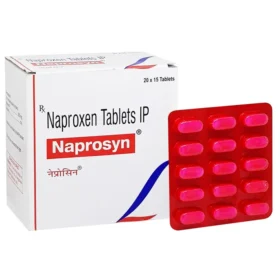
Naprosyn (Naproxen)
Price range: $90.00 through $199.00
Select options
This product has multiple variants. The options may be chosen on the product page

Fastum Gel (Ketoprofen)
Price range: $76.00 through $122.00
Select options
This product has multiple variants. The options may be chosen on the product page
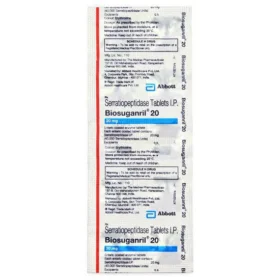
Biosuganril (Serratiopeptidase)
Price range: $84.00 through $228.00
Select options
This product has multiple variants. The options may be chosen on the product page
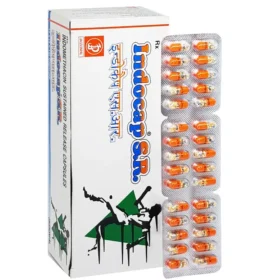
Indocap (Indomethacin)
Price range: $75.00 through $175.00
Select options
This product has multiple variants. The options may be chosen on the product page
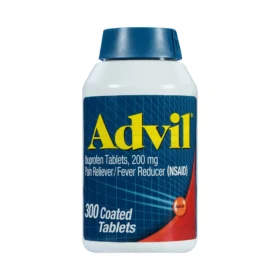
Advil Tablet
Price range: $35.00 through $138.00
Select options
This product has multiple variants. The options may be chosen on the product page