
- Your cart is empty
- Continue Shopping

Product

Doxycycline 100 mg
Sale
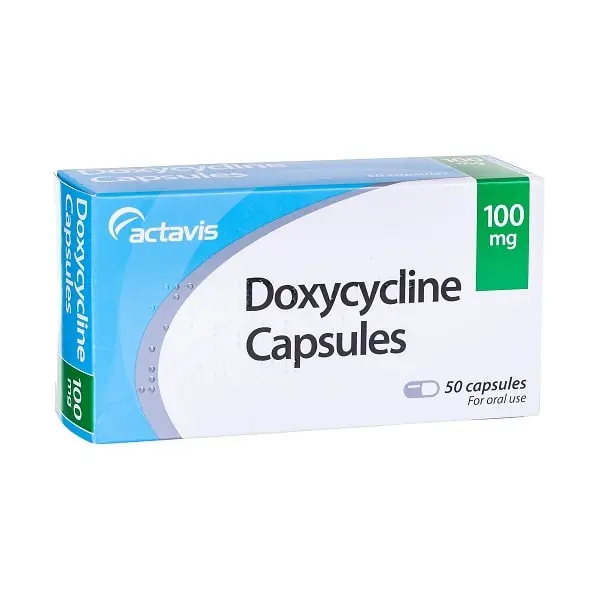
Doxycycline 100 mg
Price range: $70.00 through $250.00
Doxycycline 100 mg tablet being an antibiotic prevents the growth of bacterial cells (the bad ones!) by preventing the formation of the outer protein layer of bacteria (cell wall) responsible for bacteria’s growth and multiplication.
Size
Choose an option
Add to cart
Buy Now
Doxycycline 100 mg tablet is a widely used antibiotic that prevents the growth of harmful bacterial cells by blocking the formation of the protective outer protein layer (cell wall) responsible for their growth and multiplication. It is classified as a broad-spectrum antibiotic, meaning it is effective against a wide variety of bacterial infections. Being a bacteriostatic antibiotic, it stops the growth and spread of bacteria but does not directly kill them.
For more detailed clinical information, you can visit Mayo Clinic or Drugs.com.
Uses of Doxycycline 100 mg
-
Bacterial infections – Treats a range of bacterial infections affecting the respiratory tract, urinary tract, skin, and other areas.
-
Acne – Commonly prescribed for moderate to severe acne due to its anti-inflammatory and antibacterial properties.
For approved medical indications, check the U.S. FDA and WHO.
Side Effects of Doxycycline 100 mg
Like all medicines, Doxycycline 100 mg may cause side effects. Many are mild and improve with continued use, but some may require medical attention.
Common side effects (temporary, usually mild):
-
Nausea (feeling sick)
-
Vomiting
-
Diarrhea
Serious side effects (seek medical help immediately):
-
Sudden wheezing, difficulty in breathing
-
Chest pain, fever
-
Swelling of eyelids, face, or lips
-
Rash or itching across the body
-
Severe, persistent, or bloody diarrhea
-
Stomach pain with fever (possible bowel inflammation)
-
Severe headache with blurred or double vision
-
Skin blistering affecting mouth, eyes, or genitals
-
Blood-related problems (unusual bruising, tiredness, infections)
-
Low blood pressure, increased heart rate
-
Joint or muscle pain
You can learn more about potential side effects at WebMD, Healthline, and PubMed.
Additional Information
| Size | 100 Tablets, 200 Tablets, 300 Tablets, 400 Tablets |
|---|
Related products
SaleHot
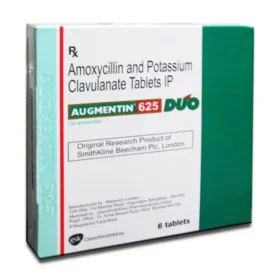
Augmentin Tablet
Price range: $110.00 through $850.00
Select options
This product has multiple variants. The options may be chosen on the product page
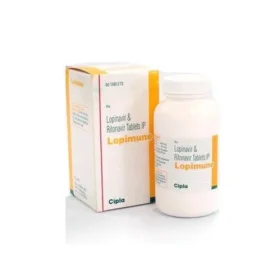
Lopimune Tablet
Price range: $145.00 through $411.00
Select options
This product has multiple variants. The options may be chosen on the product page
Sale
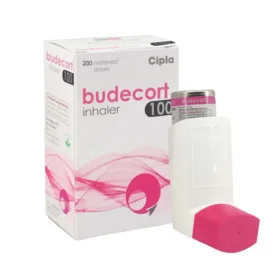
Budesonide Inhaler
Price range: $32.00 through $190.00
Select options
This product has multiple variants. The options may be chosen on the product page
SaleHot
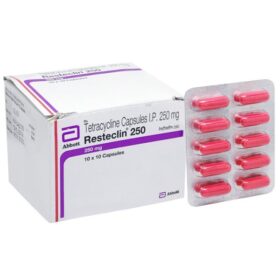
Tetracycline Capsules
Price range: $55.00 through $330.00
Select options
This product has multiple variants. The options may be chosen on the product page
Sale
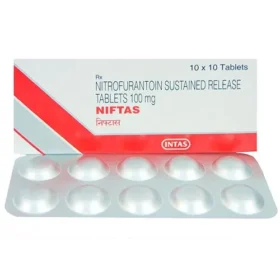
Nitrofurantoin Tablet
Price range: $70.00 through $320.00
Select options
This product has multiple variants. The options may be chosen on the product page
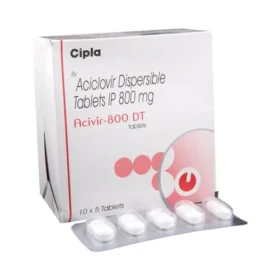
Acivir 800 mg DT
Price range: $90.00 through $280.00
Select options
This product has multiple variants. The options may be chosen on the product page
SaleHot
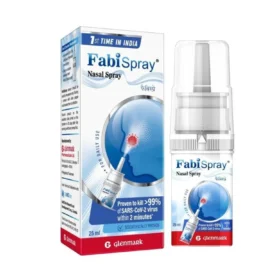
FabiSpray Nasal Spray – Effective COVID-19 Treatment
Price range: $160.00 through $790.00
Select options
This product has multiple variants. The options may be chosen on the product page
SaleHot
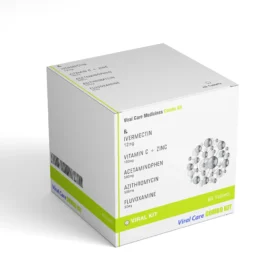
Viral Care Combo Kit
Price range: $58.00 through $580.00
Select options
This product has multiple variants. The options may be chosen on the product page