
- Your cart is empty
- Continue Shopping

Product

Metrogyl Gel (Metronidazole)
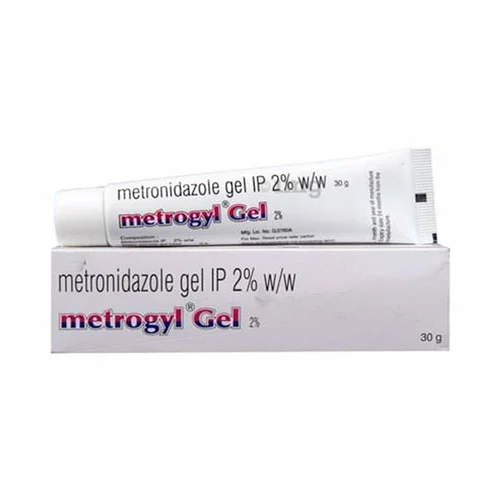
Metrogyl Gel (Metronidazole)
Price range: $90.00 through $196.00
Metrogyl Gel (Metronidazole) is a dermatologist-recommended topical treatment for rosacea, acne, and bacterial skin infections. It helps reduce redness, bumps, and irritation while promoting healthier-looking skin. Clinically backed by the FDA and research studies on PubMed, this gel is widely trusted by dermatologists worldwide. Easy to apply and safe for long-term use under medical guidance, Metrogyl Gel offers effective relief from skin discomfort. Learn more about its medical uses and safety information at Mayo Clinic, Drugs.com, and Healthline.
Size
Choose an option
Add to cart
Buy Now
Overview
Metrogyl Gel (Metronidazole) is a trusted topical medication widely prescribed for the treatment of skin conditions such as rosacea, acne, and certain bacterial infections. As a topical antibiotic and antiprotozoal gel, it works by reducing inflammation and eliminating harmful bacteria on the skin’s surface. According to resources like Mayo Clinic and Drugs.com, Metronidazole is an effective option recommended by dermatologists for long-term skin management.
Key Benefits & Uses
-
Reduces redness and bumps caused by rosacea
-
Controls acne breakouts linked to bacterial growth
-
Relieves skin inflammation and irritation
-
Promotes clear, healthy-looking skin
-
Backed by research on PubMed and clinical safety data from the FDA
Metrogyl Gel has been recognized as a safe and effective treatment in dermatology by trusted sources like WebMD and Healthline.
How to Use
-
Wash your face with a gentle cleanser and pat dry.
-
Apply a thin layer of Metrogyl Gel to the affected area once or twice daily, as prescribed.
-
Avoid contact with eyes, mouth, and open wounds.
-
Use regularly for best results, as advised by your healthcare provider.
For guidance on proper application, consult your doctor or refer to information provided by the World Health Organization.
Important Safety Information
-
For external use only.
-
Avoid using other harsh skincare products unless prescribed.
-
Inform your doctor about any allergies or medications before use.
-
Not recommended during pregnancy or breastfeeding without medical supervision (see Mayo Clinic).
Common Side Effects
Some mild side effects may occur, including:
-
Skin dryness
-
Mild redness
-
Temporary stinging or burning sensation
If severe irritation persists, discontinue and seek medical advice (WebMD).
Why Choose Metrogyl Gel?
Metrogyl Gel (Metronidazole) is backed by years of clinical research, widely recommended by dermatologists, and trusted globally for effective treatment of rosacea and acne-related skin issues. With medical validation from organizations like the FDA, WHO, and research archives on PubMed, it remains one of the most reliable topical treatments available.
Additional Information
| Size | 3 Gels, 6 Gels |
|---|
Related products
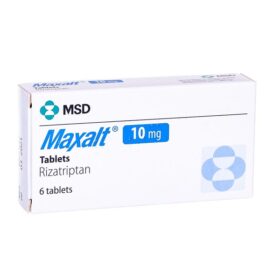
Rizatriptan Tablet
Price range: $210.00 through $950.00
Select options
This product has multiple variants. The options may be chosen on the product page
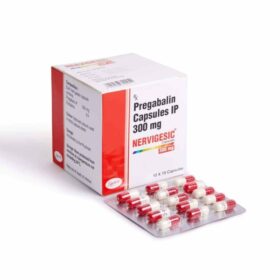
Pregabalin 300 mg
Price range: $85.00 through $330.00
Select options
This product has multiple variants. The options may be chosen on the product page
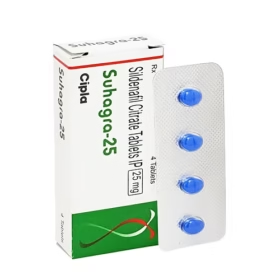
Suhagra 25 mg
Price range: $40.00 through $205.00
Select options
This product has multiple variants. The options may be chosen on the product page
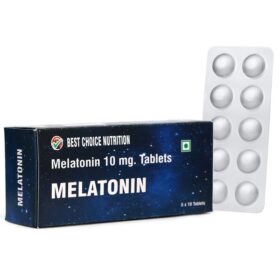
Melatonin Tablet
Price range: $90.00 through $320.00
Select options
This product has multiple variants. The options may be chosen on the product page

Trental Tablet (Pentoxifylline)
Price range: $25.00 through $79.00
Select options
This product has multiple variants. The options may be chosen on the product page

Super Gummy Multi Vitamins
Price range: $42.00 through $131.00
Select options
This product has multiple variants. The options may be chosen on the product page
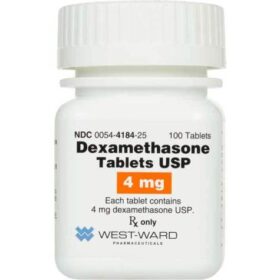
Dexamethasone Tablet
Price range: $70.00 through $220.00
Select options
This product has multiple variants. The options may be chosen on the product page
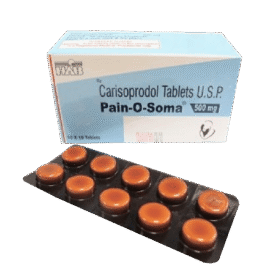
Pain O Soma Tablet
Price range: $60.00 through $320.00
Select options
This product has multiple variants. The options may be chosen on the product page