
- Your cart is empty
- Continue Shopping

Product

Razo (Rabeprazole)

Razo (Rabeprazole)
Price range: $75.00 through $190.00
Razo (Rabeprazole) Tablet is a medicine that reduces the amount of acid produced in your stomach. It is used in the treatment of acid-related diseases of the stomach and intestine such as acid reflux, peptic ulcer disease, and Zollinger-Ellison syndrome. It provides relief from symptoms and promotes healing.Razo 20 Tablet medicine should be taken one hour before a meal, preferably in the morning. The dose will depend on your underlying condition and how you respond to the medicine.
Strength, Size
Choose an option / Choose an option
Add to cart
Buy Now
Razo Tablet, containing Rabeprazole, is a proton pump inhibitor (PPI) that effectively reduces stomach acid production. It’s commonly prescribed for conditions like gastroesophageal reflux disease (GERD), duodenal ulcers, and Zollinger-Ellison syndrome. By decreasing stomach acid, it helps alleviate symptoms such as heartburn and promotes healing of acid-related damage to the stomach and esophagus. For more detailed information, you can visit Mayo Clinic, Drugs.com, or FDA.
Key Benefits & Uses
-
GERD Treatment: Reduces heartburn and acid reflux symptoms.
-
Duodenal Ulcer Healing: Promotes healing and provides symptomatic relief.
-
H. pylori Eradication: Used in combination with antibiotics to eliminate H. pylori infection.
-
Hypersecretory Conditions: Manages conditions like Zollinger-Ellison syndrome.
How to Use
Razo Tablet is typically taken once daily, preferably before a meal. Swallow the tablet whole with a glass of water. The dosage and duration depend on the specific condition being treated. Always follow your healthcare provider’s instructions. For detailed guidance, refer to WebMD.
Important Safety Information
-
Allergic Reactions: Seek immediate medical attention if you experience symptoms like rash, itching, or swelling.
-
Kidney Health: Monitor kidney function regularly, especially in long-term use.
-
Drug Interactions: Inform your doctor about all medications you’re taking to avoid potential interactions.
-
Pregnancy & Breastfeeding: Consult your doctor before using if pregnant or breastfeeding. For more information, visit FDA.
Common Side Effects
-
Headache
-
Nausea
-
Abdominal Pain
-
Diarrhea
-
Constipation
These side effects are generally mild and may resolve with continued use. However, if they persist or worsen, consult your healthcare provider. For more details, refer to Healthline.
Why Choose Razo Tablet
Razo Tablet offers a reliable and effective solution for managing acid-related gastrointestinal conditions. With its proven efficacy and safety profile, it’s a preferred choice for both patients and healthcare providers. For comprehensive information, you can visit WHO.
Additional Information
| Strength | 10 mg, 20 mg |
|---|---|
| Size | 60 tablets, 90 tablets, 120 tablets |
Related products

Magnesium Oxide
Price range: $145.00 through $256.00
Select options
This product has multiple variants. The options may be chosen on the product page

Dulcoflex (Bisacodyl)
Price range: $67.00 through $210.00
Select options
This product has multiple variants. The options may be chosen on the product page

Phenergan (Promethazine)
Price range: $110.00 through $220.00
Select options
This product has multiple variants. The options may be chosen on the product page
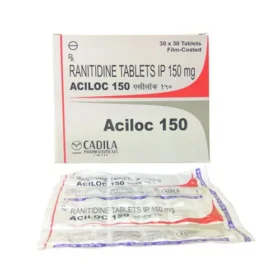
Aciloc (Ranitidine)
Price range: $150.00 through $266.00
Select options
This product has multiple variants. The options may be chosen on the product page

Pantoprazole IV (Pantoprazole)
Price range: $60.00 through $130.00
Select options
This product has multiple variants. The options may be chosen on the product page

Oflox TZ (Tinidazole/Ofloxacin)
Price range: $180.00 through $250.00
Select options
This product has multiple variants. The options may be chosen on the product page
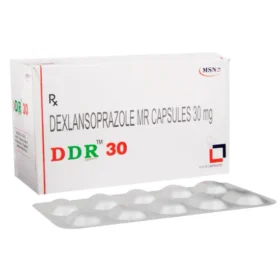
DDR capsule (Dexlansoprazole)
Price range: $147.00 through $255.00
Select options
This product has multiple variants. The options may be chosen on the product page
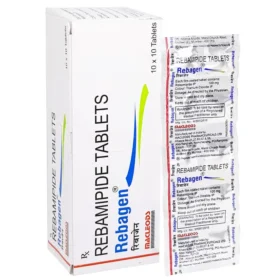
Rebagen (Rebamipide)
Price range: $77.00 through $177.00
Select options
This product has multiple variants. The options may be chosen on the product page